

Introduction
Garbage compactor trucks play a crucial role in modern waste management systems by efficiently collecting and compacting solid waste from residential, commercial, and industrial areas. These specialized vehicles are designed to transport large volumes of waste to disposal sites while minimizing the number of trips required. Over the years, the design of garbage compactor trucks has evolved significantly to enhance efficiency, safety, and environmental sustainability. This article explores the evolution of garbage compactor truck design, highlighting key innovations and technologies that have shaped the industry.
Historical Overview
The concept of waste collection dates back centuries, with early civilizations employing various methods to dispose of their refuse. In the 19th century, as urban populations grew, the need for more efficient waste management systems became apparent. Horse-drawn carts were initially used to collect and transport waste, but these methods were labor-intensive and inefficient.
The first mechanized garbage collection vehicles were introduced in the early 20th century, marking a significant advancement in waste management practices. These early trucks were basic in design, consisting of a simple compactor mechanism operated manually by workers. As https://www.heli-truck.com/foton-4ton-recovery-truck/ advanced, the design of garbage compactor trucks became more sophisticated, incorporating hydraulics, automation, and safety features to improve performance and efficiency.
Key Design Considerations
Modern garbage compactor trucks are designed with several key considerations in mind to ensure optimal functionality and performance. Some of the key design considerations include:
1. Capacity: Garbage compactor trucks come in various sizes and configurations to accommodate different waste volumes. Larger trucks are capable of compacting and transporting larger quantities of waste, reducing the number of trips required for disposal.
2. Compaction Mechanism: The compaction mechanism is a critical component of garbage compactor trucks, responsible for compressing solid waste to maximize storage capacity. Hydraulic systems are commonly used to power the compaction mechanism, providing high compaction forces to reduce waste volume effectively.
3. Safety Features: Garbage compactor trucks are equipped with a range of safety features to protect operators and workers during waste collection and disposal. These features may include backup cameras, warning alarms, emergency stop buttons, and automatic locking mechanisms to prevent accidents and injuries.
4. Environmental Considerations: With a growing emphasis on environmental sustainability, modern garbage compactor trucks are designed to minimize emissions and reduce fuel consumption. Alternative fuel options, such as compressed natural gas (CNG) and electric-powered systems, are becoming increasingly popular in the industry.
Innovations in Garbage Compactor Truck Design
The evolution of garbage compactor truck design has been driven by technological advancements and a growing focus on efficiency and sustainability. Several key innovations have shaped the industry and revolutionized the way waste is collected and managed. Some of the notable innovations in garbage compactor truck design include:
1. Automated Compaction Systems: Automated compaction systems have significantly improved the efficiency and speed of waste collection operations. These systems use sensors and computer controls to optimize the compaction process, ensuring maximum compression of waste materials.
2. Side-Loading Trucks: Side-loading garbage compactor trucks offer increased maneuverability and accessibility in urban areas with narrow streets and tight spaces. These trucks feature side-loading mechanisms that allow waste collection from curbside bins without the need for manual lifting.
3. Telematics and Fleet Management: Telematics technology has revolutionized the way garbage compactor trucks are monitored and managed. GPS tracking, remote diagnostics, and real-time data analytics enable operators to optimize routes, track fuel consumption, and schedule maintenance proactively.
4. Hybrid and Electric Powertrains: Hybrid and electric-powered garbage compactor trucks are gaining popularity as sustainable alternatives to traditional diesel engines. These vehicles offer reduced emissions, lower operating costs, and quieter operation, making them ideal for urban environments.
5. Safety Enhancements: Modern garbage compactor trucks are equipped with advanced safety features to protect operators and workers from accidents and injuries. Automatic braking systems, collision detection sensors, and driver assistance technologies enhance safety during waste collection operations.
Future Trends in Garbage Compactor Truck Design
As the waste management industry continues to evolve, several future trends are expected to shape the design of garbage compactor trucks in the years to come. These trends are driven by advancements in technology, changing regulatory requirements, and a growing focus on sustainability. Some of the key future trends in garbage compactor truck design include:
1. Autonomous Operation: The development of autonomous garbage compactor trucks is underway, with manufacturers exploring the integration of self-driving technology to enhance efficiency and safety. Autonomous vehicles have the potential to optimize routes, reduce labor costs, and improve overall waste management operations.
2. Waste Sorting and Recycling Integration: Future garbage compactor trucks may incorporate onboard waste sorting and recycling capabilities to separate recyclable materials from general waste at the source. This integration can streamline the recycling process and reduce the amount of waste sent to landfills.
3. Lightweight Materials and Aerodynamic Design: To improve fuel efficiency and reduce emissions, garbage compactor trucks may be constructed using lightweight materials and aerodynamic design principles. These enhancements can help minimize energy consumption and environmental impact during waste collection and transportation.
4. Internet of Things (IoT) Connectivity: IoT connectivity is expected to play a significant role in the future of garbage compactor truck design, enabling real-time monitoring, predictive maintenance, and data-driven decision-making. IoT sensors and devices can collect valuable operational data to optimize performance and efficiency.
Conclusion
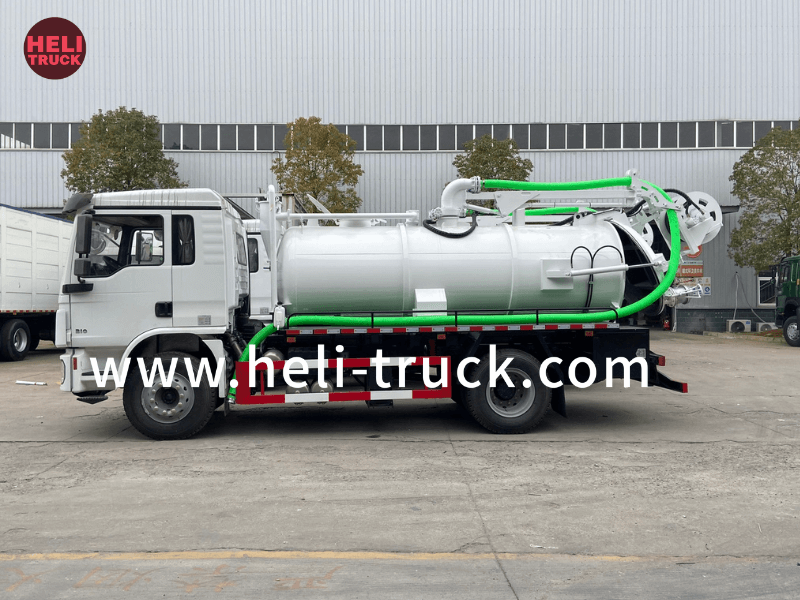
The design of garbage compactor trucks has evolved significantly over the years, driven by technological advancements, regulatory requirements, and a growing emphasis on sustainability. Innovations such as automated compaction systems, side-loading mechanisms, and hybrid powertrains have revolutionized the waste management industry, enhancing efficiency and reducing environmental impact.
As the industry continues to evolve, future trends such as autonomous operation, waste sorting integration, lightweight materials, and IoT connectivity are expected to shape the design of garbage compactor trucks in the years to come. By embracing these trends and technologies, waste management companies can improve operational efficiency, reduce costs, and contribute to a cleaner and more sustainable environment.